
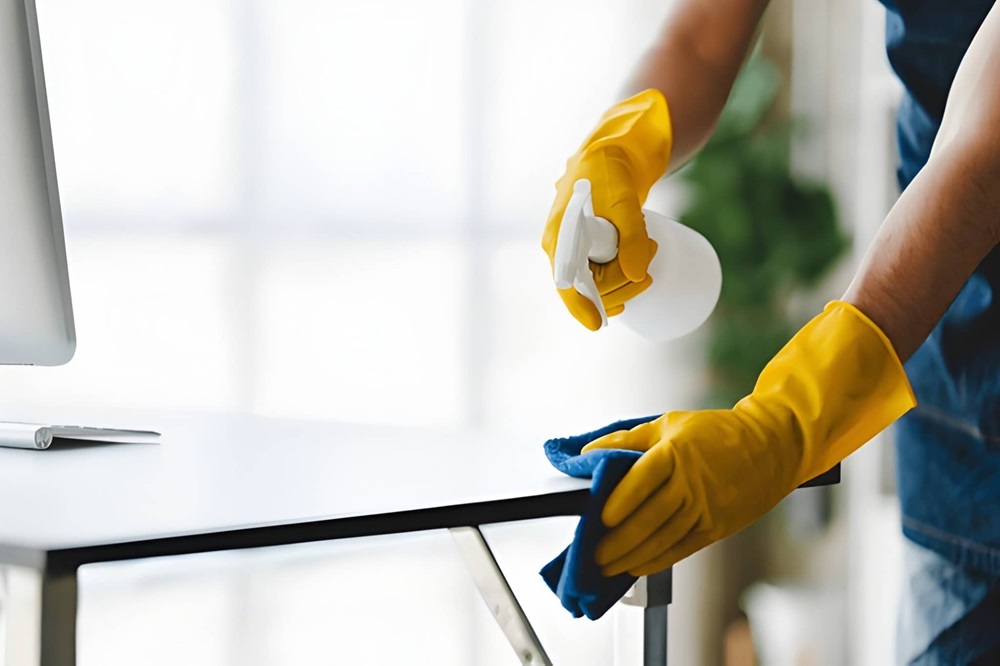
Want to know the best way to keep your office clean, neat and tidy? It doesn’t matter if you have a team of five or fifty, every office environment benefits from regular cleaning, maintenance and upkeep.
If you’re not sure where to start, we’ve created a helpful office cleaning checklist that covers all the bases. In this list, we’ll take a look at what you can do internally, and the benefits of hiring a professional cleaning team.
Why Every Office Needs a Cleaning Routine
Office cleaning is so much easier when there’s a clear plan or routine in place. The best way to organise this is a mix of DIY and professional assistance.
Some jobs need attention every day, particularly in bathrooms, kitchens, reception areas and other high-traffic spaces. Others, such as carpet cleaning, high-level dusting and detailed window cleaning, are better handled by cleaners on a weekly, monthly or seasonal schedule.
A structured schedule gives everyone a clear idea of what needs to happen and when. It also makes it easier to spot maintenance issues, replenish supplies and keep standards consistent.
What Should You Leave to Professional Cleaners?
There’s plenty of measures and practices that an office team can manage, especially smaller jobs like wiping down a desk, cleaning up after lunch or putting rubbish in the appropriate bin.
More intensive work is a different story.
Professional cleaning is particularly useful for:
- Carpet cleaning and stain removal
- Detailed window and glass cleaning
- High-level dusting
- Hard floor cleaning and polishing
- Deep bathroom cleaning
- Cleaning large kitchens and break rooms
- Cleaning extensive office spaces
- Cleaning difficult-to-access areas
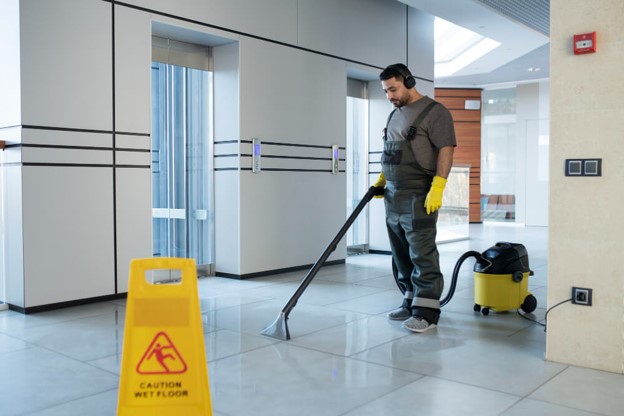
- Vacuuming and floor cleaning
- Regular after-hours cleaning
- Cleaning buildings with multiple floors
- Applying professional cleaning products
From commercial cleaning in the Melbourne CBD to commercial cleaning in Dandenong, Twinkle Clean is the team you can always rely on. Get in touch with us now to learn more!
Office Cleaning Depends on Your Workplace
There’s no single cleaning schedule that works for every Melbourne office.
A small office suite with a handful of employees might only have a few workstations, along with a single bathroom, a kitchenette and a reception area. On the other side, there are multi-level corporate buildings with lifts, stairwells, multiple meeting rooms, breakout spaces and hundreds of employees moving through the building each day.
Contemporary offices also bring their own considerations. Glass partitions, polished concrete, feature surfaces, open-plan workspaces, exposed ceilings and specialist furniture all need appropriate cleaning methods.
A good commercial cleaning team will be able to handle it all and adapt their service to each environment.
Your Daily Office Cleaning Checklist
Daily cleaning focuses on the areas people use most. The aim is to remove everyday dirt, dust, food residue and waste before they accumulate.
Workstations and offices
- Wipe desks and shared work surfaces
- Dust accessible furniture and shelving
- Empty desk and office bins
- Vacuum carpets and floors
- Mop hard floors where required
- Clean shared phones, keyboards and other agreed equipment
- Remove visible marks and spills
For hot-desking environments, shared workstations deserve particular attention. Desks, chairs, phones and other communal equipment may be used by several people throughout the day, so regular cleaning becomes even more important.
Reception and common areas
- Vacuum floors, mats and carpets
- Mop hard flooring
- Wipe reception desks and tables
- Clean glass entry doors and partitions
- Dust furniture and decorative items
- Empty bins
- Wipe high-touch surfaces
- Tidy magazines, brochures and communal areas
Reception is often the first part of the workplace a visitor sees. Keeping it clean also prevents dirt from being tracked further into the building.
Kitchen and break rooms
- Wipe and sanitise benchtops
- Clean sinks and taps
- Wipe appliance handles and external surfaces
- Clean the microwave
- Empty kitchen bins
- Wash dishes or manage the dishwasher
- Restock paper towels and dishwashing supplies
- Vacuum and mop the floor
Staff might be responsible for cleaning up after their own meals, but that shouldn’t replace proper kitchen cleaning. Food preparation surfaces, handles, sinks and floors still need regular attention.
Bathrooms
- Clean and sanitise toilets and urinals
- Clean basins and taps
- Wipe bathroom surfaces
- Clean mirrors
- Empty sanitary and general waste bins
- Mop floors
- Refill toilet paper, soap and paper towels
- Check for spills, leaks or other maintenance issues
Bathrooms are one of the highest-priority areas in an office cleaning routine. Busy workplaces may need additional checks throughout the day, particularly where facilities are shared by a large number of employees or visitors.
High-touch points
These small areas often get a surprising amount of use.
- Door handles
- Light switches
- Lift buttons
- Stair handrails
- Shared phones
- Meeting room equipment
- Frequently used appliance handles
Adding these surfaces to the daily routine helps prevent grime and residue from building up in places that are constantly being touched.
Your Weekly Office Cleaning Checklist
Weekly cleaning goes beyond the everyday jobs. This is the time to deal with areas that accumulate dust and grime gradually.
General office areas
- Dust shelves, cabinets and window sills
- Vacuum underneath desks and furniture
- Clean skirting boards
- Remove cobwebs
- Spot-clean walls and doors
- Dust blinds and accessible light fittings
- Clean internal glass and partitions
- Vacuum upholstered chairs and furniture
Don’t forget the less obvious spaces. Dust often collects behind monitors, underneath furniture and along ledges that aren’t part of the daily cleaning routine.
Meeting rooms
- Clean tables and chairs
- Wipe presentation equipment
- Clean whiteboards
- Dust shelves and cabinets
- Vacuum floors and carpets
- Wipe shared equipment
Meeting rooms often have high turnover throughout the week. A weekly deeper clean helps remove the build-up that routine surface cleaning misses.
Kitchen and bathroom cleaning
- Clean inside the microwave
- Clean the inside of the fridge
- Deep-clean sinks and taps
- Clean bathroom tiles and grout
- Clean behind toilets and underneath sinks
- Wash waste bins
- Dust bathroom ventilation grilles
- Scrub hard floors where needed
Your Monthly Office Cleaning Checklist
Monthly cleaning is about maintaining the condition of the workplace rather than simply dealing with everyday mess.
- Deep-clean carpets and high-traffic floor coverings
- Clean high-level vents and air diffusers
- Dust light fittings and high ledges
- Clean internal windows and detailed glass areas
- Deep-clean upholstered furniture
- Clean underneath and behind larger furniture
- Clean storage and supply areas
- Review cleaning product and consumable supplies
- Check for damaged surfaces or maintenance issues
- Review the cleaning schedule and adjust it if needed
Carpets deserve particular attention in busy offices. Regular vacuuming removes loose dirt, but deeper cleaning helps deal with embedded grime and stains. The same principle applies to hard floors, which may need periodic scrubbing, polishing or other specialist treatment depending on the material.
Windows and glass also fall into this category. A small single-level office might only need detailed window cleaning periodically. A multi-storey Melbourne office with extensive glazing may need a more regular professional service, particularly for difficult-to-access external windows.
A Simple Office Cleaning Schedule
If you want to keep things straightforward, use this as your starting point:
| Frequency | Main Jobs |
| Daily | Workstations, bins, floors, bathrooms, kitchens, reception and high-touch surfaces |
| Weekly | Detailed dusting, under-furniture vacuuming, meeting rooms, internal glass and deeper kitchen and bathroom cleaning |
| Monthly | Carpet cleaning, high-level dusting, vents, windows, upholstery, storage areas and floor maintenance |
| Periodically | External windows, specialist floor treatments, pressure cleaning and other larger maintenance jobs |
The exact frequency should reflect the way your office is used. A small professional suite with low foot traffic won’t have the same cleaning demands as a busy open-plan workplace. Visitor numbers, staff numbers, floor area, building layout and the type of surfaces throughout the office all matter.
Keep Your Office Tidy with Twinkle Clean
A good office cleaning routine doesn’t need to be complicated, and our mission is to make it easier than ever for workplaces across Melbourne. We clean, you relax, and the space is kept nice and tidy.
From once-off to weekly, fortnightly or monthly, we work around your schedule to provide exactly what your workplace requires. When it comes time to find a commercial cleaning team in Melbourne, Twinkle Clean is the name you can trust to deliver exceptional results every single time.
FAQs for Office Cleaning in Melbourne
How often should an office be professionally cleaned?
It depends on the size and use of the workplace. A busy office with high foot traffic may benefit from daily cleaning, while a smaller office with fewer employees might use a less frequent service. Bathrooms, kitchens, bins and high-touch areas generally need more frequent attention than low-use spaces.
What should be cleaned every day in an office?
Daily cleaning should cover the areas people use most. This includes workstations, reception areas, kitchens, bathrooms, floors, bins and high-touch surfaces such as door handles and light switches.
How often should office carpets be professionally cleaned?
Regular vacuuming should form part of the routine, with deeper carpet cleaning scheduled according to foot traffic and the condition of the carpet. Busy areas may need more frequent treatment than lightly used offices.
Do office kitchens need to be cleaned every day?
Yes. Benchtops, sinks, appliance handles, floors and other food-related surfaces should receive daily attention. Fridges, microwaves and other appliances also need periodic deeper cleaning.
What areas of an office are most often overlooked?
Commonly missed areas include underneath desks, behind furniture, high shelves, vents, skirting boards, light fittings and less frequently used storage areas. Adding these jobs to a weekly or monthly checklist helps keep them from being forgotten.
Is office cleaning different for a multi-level building?
The fundamentals are similar, but the workload is much greater. Multi-level offices may have lifts, stairwells, additional bathrooms, larger common areas, extensive glass and more high-traffic zones. External windows and high-level surfaces may also require specialist equipment and professional cleaning.
Should office cleaning include restocking supplies?
Yes. Toilet paper, soap, paper towels, bin liners and kitchen cleaning supplies should be checked regularly. Running out of basic supplies can quickly turn a clean workplace into an uncomfortable one.